
How to Get from Tokyo to Hakuba: Fastest, Cheapest Options (2024 Guide)
Getting from Tokyo to Hakuba doesn't have to be complicated. I'll walk you through four proven routes - from the lightning-fast Shinkansen connection to budget-friendly highway buses - so you can pick what works best for your trip.
TL;DR: Shinkansen to Nagano + bus is fastest (3.5 hours, ¥6,500). Highway bus from Shinjuku is cheapest (5 hours, ¥4,500). Rental car offers flexibility but winter driving requires experience.
Key Takeaways
- Four main transport options: Shinkansen+bus (fastest), highway bus (cheapest), rental car (most flexible), private transfer (most comfortable)
- Book Shinkansen seats 1 month ahead during peak seasons
- Highway buses run multiple times daily and include amenities
- Winter driving requires snow chains and mountain driving experience
- Private transfers cost ¥35,000-50,000 but door-to-door convenience
I've made this journey more times than I can count - first as a wide-eyed tourist, then as someone seriously considering buying property in Hakuba. Each route has its sweet spot depending on your budget, timeline, and how much gear you're hauling.
Option 1: Shinkansen to Nagano + Bus (Fastest)
This is my go-to route when I need to get there quickly. The combination gives you that satisfying bullet train experience plus the scenic mountain approach.
Total time: 3.5-4 hours
Total cost: ¥6,500-7,500
Best for: Speed, reliability, avoiding winter driving stress
Step-by-Step Breakdown
Tokyo to Nagano (Hokuriku Shinkansen):
- Duration: 1 hour 20 minutes
- Cost: ¥5,390 (non-reserved), ¥5,920 (reserved)
- Frequency: Every 20-30 minutes
- Departs from: Tokyo, Ueno, Omiya stations
Nagano to Hakuba (Alpico Bus):
- Duration: 1 hour 15 minutes
- Cost: ¥1,400
- Frequency: Every 30-60 minutes during ski season
- Stops: Multiple Hakuba locations including Happo-one, Goryu, 47, Cortina
Pro tip: The Nagano station bus terminal is directly connected - no outdoor walking required when it's snowing. I learned this the hard way during a particularly brutal February storm.
Option 2: Highway Bus from Shinjuku (Cheapest)
Don't underestimate the highway bus. Modern buses are surprisingly comfortable, and you'll save serious money.

Total time: 4.5-5.5 hours
Total cost: ¥4,500-6,500
Best for: Budget travel, direct service, sleeping en route
| Bus Company | Route | Price Range | Features |
|---|---|---|---|
| Alpico | Shinjuku-Hakuba | ¥4,500-5,500 | WiFi, USB charging, toilet |
| JR Bus | Shinjuku-Hakuba | ¥5,000-6,500 | Wider seats, blankets |
| Keio Bus | Shinjuku-White Plaza | ¥4,800-5,800 | Night service available |
The buses typically make stops at major Hakuba locations: Hakuba Station, Happo-one, Wadano, and some continue to Cortina. During peak season, book at least a week ahead - I've seen people get stuck at Shinjuku because they assumed there'd be space.
Option 3: Rental Car (Most Flexible)
Renting a car gives you complete freedom, but winter mountain driving isn't for everyone. I've white-knuckled it up those mountain passes more times than I'd like to admit.
Total time: 4-6 hours (depending on traffic and weather)
Total cost: ¥8,000-15,000 (car + gas + tolls)
Best for: Groups, gear transport, exploring multiple areas
What You Need to Know
Winter requirements:
- Snow chains mandatory (rental companies provide them)
- All-season or winter tires
- Experience with mountain driving in snow
Route options:

- Via Chuo Expressway (most direct): 4-5 hours good conditions
- Via Kanetsu/Joshinetsu (more scenic): 5-6 hours
The expressway tolls alone run about ¥3,500 each way. Add gas (¥2,000-3,000) and rental fees (¥3,000-8,000/day), and you're looking at serious money. But if you're planning to explore beyond just Hakuba's ski runs, it pays off.
Option 4: Private Transfer (Most Comfortable)
For those times when budget isn't the primary concern and you want door-to-door service.
Total time: 4-5 hours
Total cost: ¥35,000-50,000 (for up to 8 people)
Best for: Groups, luxury travel, lots of luggage
Several companies offer this service, including English-speaking drivers. It's particularly popular with property buyers who are making multiple trips to view homes - much easier than wrestling with luggage on public transport when you're trying to make a good impression at viewings.
Seasonal Considerations
Peak Winter (December-March): All transport gets busy and expensive. Book everything in advance. Weather delays are common for all options except private transfer.
Off-season (April-November): Fewer bus services, but better prices and availability. Perfect time for property hunting trips.
I remember one March trip when a sudden storm hit - the highway buses were delayed by 3 hours, but the Shinkansen kept running on schedule. The reliability factor alone makes the train+bus combo worth considering.
Booking Tips That Actually Matter
For Shinkansen: Use the JR East app or website. You can book 1 month ahead, and during peak seasons, reserved seats sell out fast.
For buses: Most companies have English websites now. Alpico and JR Bus are most foreigner-friendly. Weekend and holiday services book up first.
For rental cars: International driving permit required. Major companies (Toyota Rent-a-Car, Nippon Rent-a-Car) have English support and GPS systems.
One winter, I had clients flying in for a property viewing weekend, and we couldn't get Shinkansen seats due to a holiday rush. The highway bus saved the day - and they actually preferred the direct service once they tried it.
Which Option Should You Choose?
Choose the Shinkansen+bus combo if you value speed and reliability over cost. It's my default recommendation for first-time visitors.
Go with the highway bus if budget is tight or you're traveling with a group. The direct service is surprisingly convenient.
Pick rental car if you're comfortable with mountain driving and plan to explore beyond Hakuba. Essential if you're serious about property investment and want to check out different areas.
Spring for private transfer if you're traveling with a group, have lots of gear, or want maximum comfort and flexibility.
The route you choose often depends on what brings you to Hakuba. Quick ski weekend? Shinkansen. Property hunting trip with multiple stops? Rental car. Budget family vacation? Highway bus.
Whatever you choose, you'll be rewarded with some of the best powder skiing in the world and stunning Alpine views that make the journey worthwhile.
Editorial Note: Transport schedules and prices are subject to change, especially during peak seasons and holidays. Always verify current information directly with transport providers before booking. This guide reflects routes and pricing as of 2024.
Frequently Asked Questions
Want more like this — but private?
Insider Hakuba notes I don't post publicly — market shifts, off-the-record picks, and behind-the-scenes finds. Free WhatsApp updates from Yurie.
Free · No spam · Leave any time
Related Articles

Hakuba Happo-One Village Area Guide: Best Places to Stay Near the Gondola
Discover why Happo-One village is Hakuba's beating heart - from gondola-side lodges to hidden ramen shops and relaxing onsen. Your complete guide to staying in this ski paradise.
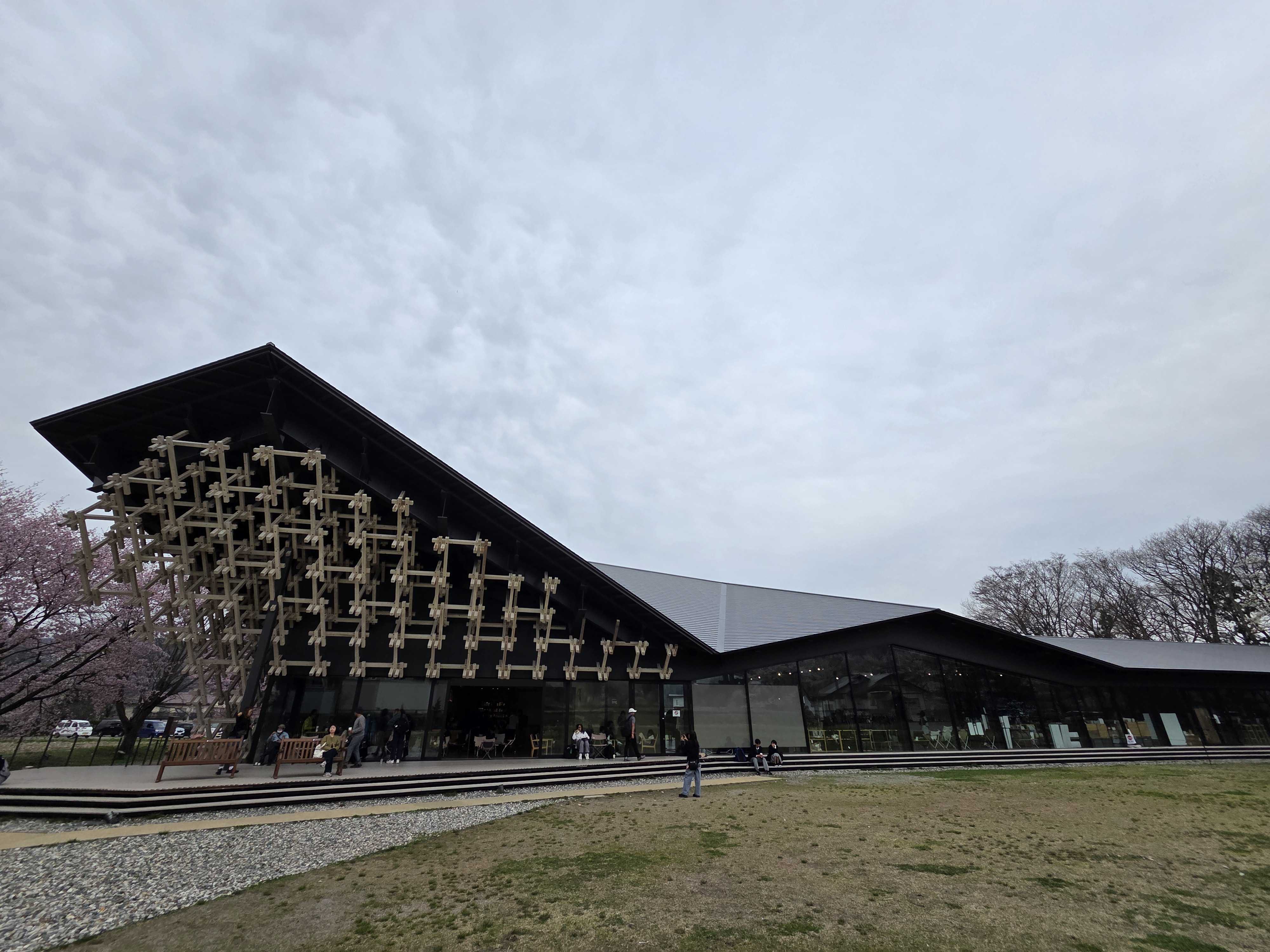
Snow Peak Land Station Hakuba: Stunning Architecture Meets Outdoor Adventure
Snow Peak Land Station Hakuba is an architectural masterpiece by Kengo Kuma that houses Japan's largest Snow Peak store, a Starbucks, and local dining - all with spectacular mountain views.

Hakuba Craft Beer Scene: Your Complete Guide to Local Breweries & Taprooms
From small-batch breweries tucked into village corners to taprooms with mountain views, Hakuba's craft beer scene has exploded into something special.

Hakuba Echoland Area Guide: Restaurants, Bars & Accommodation in the Village's Social Hub
Hakuba's Echoland area pulses with international energy year-round. From legendary après-ski spots to cozy cafes, this compact district serves as the village's unofficial social headquarters.

Getting Around Hakuba Without a Car: Your Complete Transport Guide
From shuttle buses to bike rentals, here's how to explore every corner of Hakuba Valley without needing your own wheels - including my hard-learned lessons about winter transport.

Complete Guide to Hakuba Onsen Hot Springs: Where to Soak After Skiing
After a long day carving turns on Hakuba's legendary powder, nothing beats sinking into a natural hot spring. I'll walk you through every major onsen in the valley, from the rustic charm of Happo Onsen to the modern luxury of Mimizuku no Yu.