
Best Ski Runs in Hakuba for Beginners: A Local's Guide to Starting Strong
After a decade of helping nervous first-timers find their confidence on Hakuba's slopes, I've identified the gentlest runs and best learning spots across the valley.
Let me be honest - when I first moved to Hakuba over ten years ago, I thought all beginner runs were created equal. Boy, was I wrong. After countless seasons helping friends, family, and property clients take their first turns, I've learned there's a massive difference between a truly beginner-friendly slope and one that'll have you pizza-wedging in terror.
Finding the best ski runs in Hakuba for beginners isn't just about the gradient. It's about crowd levels, snow conditions, lift accessibility, and having somewhere warm to retreat when your legs give out. Here's what I've learned from watching hundreds of people discover their mountain legs.
Why Hakuba Works So Well for First-Time Skiers
Hakuba Valley isn't just famous for its deep powder and Olympic pedigree. The geography here creates something special for beginners - multiple mountains with genuinely gentle learning terrain, not the steep "bunny hills" you'll find at some resorts.
The valley's north-facing slopes hold snow beautifully, meaning consistent conditions throughout winter. More importantly, the Japanese approach to slope grooming is meticulous. These aren't icy, scraped-off surfaces. They're corduroy perfection that forgives mistakes.
I remember helping a family from Singapore understand why heating costs matter more than purchase price when they were house hunting. But first, I had to get their teenage daughter comfortable on skis. We started at Iwatake, and by day three, she was linking turns down intermediate runs. That's the Hakuba magic.
The Top Mountains for Beginners, Ranked
1. Iwatake Snow Field - The Clear Winner
Green runs: Panorama Course, Family Course
Why it's perfect: Wide, gentle slopes with spectacular views
| Mountain | Best Beginner Runs | Key Features | Why It's Great for Beginners |
|---|---|---|---|
| Iwatake Snow Field | Panorama Course, Family Course | Wide slopes, spectacular views | Extremely wide runs with plenty of space, excellent base facilities |
| Tsugaike Nature Park | Nature Park Course | Gentle terrain, natural setting | Very forgiving slopes in beautiful natural environment |

Iwatake consistently ranks as having the best ski runs in Hakuba for beginners, and I can't argue. The Panorama Course is ridiculously wide - you could fit half of Sydney Harbor on this slope. Even when it's busy, you're never fighting for space.
The Family Course lives up to its name. It's so gentle that intermediate skiers often find it boring, which is exactly what beginners need. The base area has excellent facilities, including rental shops that actually fit boots properly.
2. Tsugaike Nature Park - The Gentle Giant
This is where I learned to ski, back when I thought I was too cool for lessons. The resort has an enormous learning area at the base - seriously enormous. It feels more like a giant playground than a scary mountain.
The Horse Land area is perfect for absolute beginners. It's basically flat with the tiniest gradient, served by a magic carpet lift. No scary chairlift rides before you're ready.
3. Hakuba 47 - The Technical Choice
Hakuba 47 might seem like an odd choice for beginners, but hear me out. Their Line C course is one of the most thoughtfully designed beginner runs I've encountered. It's long enough to practice linking turns without getting bored, but never feels overwhelming.
Specific Runs to Master First
Here's my step-by-step progression for the best ski runs in Hakuba for beginners:
Step 1: Master the Flats
- Tsugaike Horse Land: Learn to glide and stop
- Iwatake Base Area: Practice getting on and off lifts
Step 2: First Real Turns
- Iwatake Family Course: Wide, forgiving, perfect for wedge turns
- Goryu Iimori Course: Similar gradient but different snow exposure
Step 3: Building Confidence
- Iwatake Panorama Course: Longer runs, stunning views as reward
- Hakuba 47 Line C: Introduction to reading terrain
Don't rush this progression. I've seen too many people skip steps and end up terrified on slopes they're not ready for. Take your time. The mountains aren't going anywhere.

Common Mistakes Every Beginner Makes (And How to Avoid Them)
Mistake #1: Starting Too Early in the Morning
Those 8 AM first lifts? Skip them. The slopes are icy, visibility can be poor, and you'll be competing with locals and experts. Start around 10 AM when things warm up.
Mistake #2: Ignoring the Weather
Flat light days are brutal for beginners. If you can't see the bumps and rolls in the terrain, you can't react to them. Check visibility reports, not just snow conditions.
Mistake #3: Skipping Lessons to Save Money
This is false economy. A single morning with a good instructor will save you days of developing bad habits. The ski schools at Iwatake and Tsugaike have excellent English-speaking instructors.
Mistake #4: Wrong Equipment
Renting boots that don't fit properly will ruin your day faster than bad snow. Spend time getting fitted correctly. It's worth the extra 20 minutes at the rental shop.
When to Find the Best Conditions
Timing matters enormously for finding the best ski runs in Hakuba for beginners. Here's my honest take on when to visit:
January: Deep snow but can be challenging visibility. Perfect if you get clear days.
February: My top pick. Consistent snow, better weather, still relatively quiet.
March: Longer days, softer snow, but getting busier with spring break crowds.
April: Slushy afternoons but beautiful mornings. Great for those who don't mind variable conditions.
Weekdays are infinitely better than weekends if your schedule allows. The difference in crowd levels is dramatic.
Practical Tips for Your First Hakuba Ski Trip
I once spent an entire afternoon explaining kanri-hi (management fees) to a confused buyer from Australia while we sat in the Iwatake lodge, watching his kids take their first ski lesson. Sometimes the best property conversations happen over hot chocolate and boot adjustments.
Base yourself strategically. Stay in Wadano if you're focusing on Iwatake and Hakuba 47. Tsugaike area if that's your main mountain. The shuttle buses work, but having walking access to your chosen mountain makes everything easier.
Pack hand warmers. Seriously. Cold hands make everything harder, and beginners spend more time stationary, adjusting equipment, and falling down.
Learn basic Japanese ski terms:
- "Yukkuri" (slowly) - for when instructors are going too fast
- "Tomatte" (stop) - essential safety word
- "Onsen" (hot spring) - your reward after a hard day
Speaking of onsen, discovering my favorite hidden hot spring after a long day of property viewings became my standard way to decompress. There's nothing quite like soaking in natural hot water while your legs recover from a day on the slopes.
The best ski runs in Hakuba for beginners aren't just about the skiing - they're about building confidence, making memories, and falling in love with the mountains. Choose your slopes wisely, take lessons seriously, and don't be afraid to call it a day when you're tired.
Trust me, after helping countless beginners find their mountain legs over the years, the ones who start conservatively and build steadily are the ones still skiing decades later. Take it from someone who's seen every possible beginner mistake - slow and steady really does win the race.
Frequently Asked Questions
Want more like this — but private?
Insider Hakuba notes I don't post publicly — market shifts, off-the-record picks, and behind-the-scenes finds. Free WhatsApp updates from Yurie.
Free · No spam · Leave any time
Related Articles
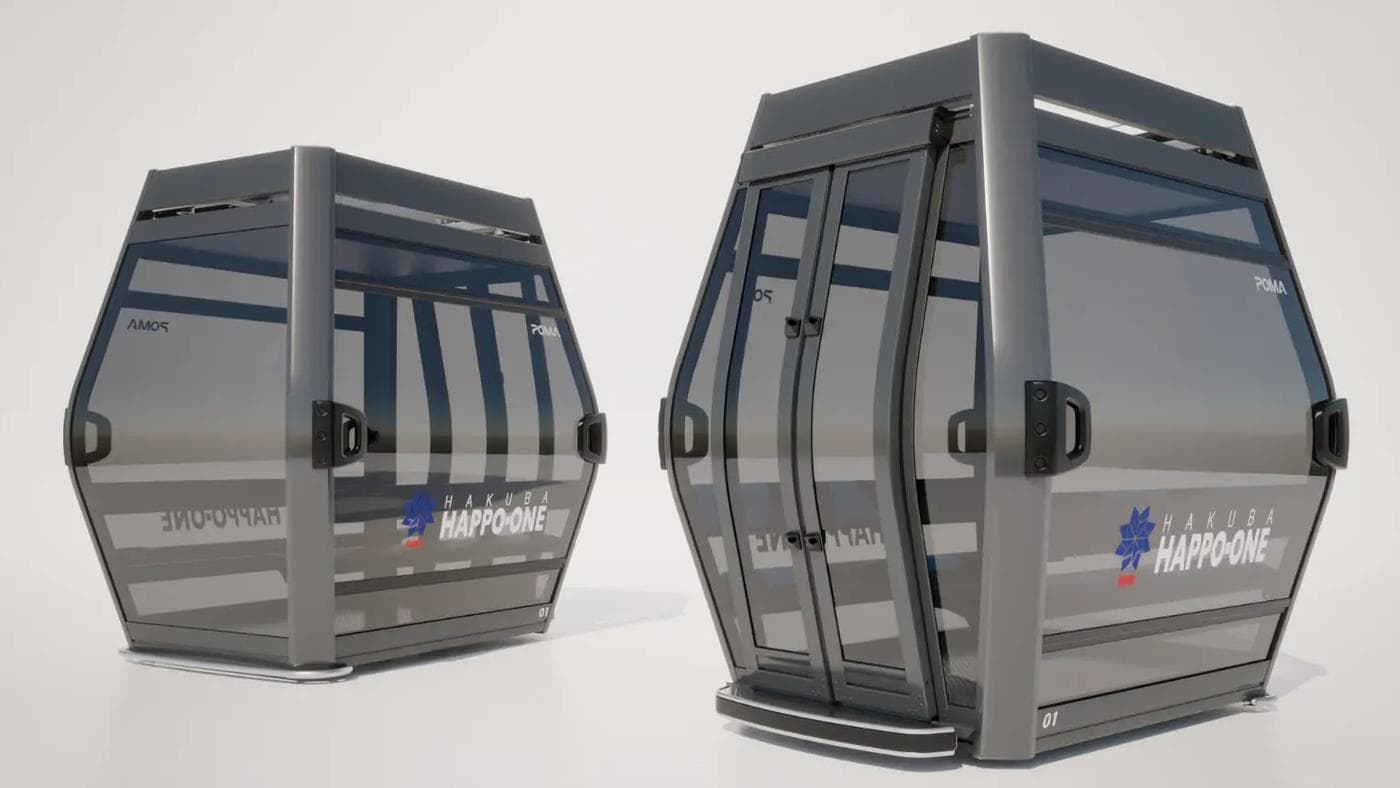
Happo-One's ¥3.2 Billion Gondola Replacement: What Skiers Need to Know About the 2027 Upgrade
After four decades of faithful service, Happo-One's iconic Adam gondola is getting a complete makeover. The new ¥3.2 billion system promises 78% more capacity and panoramic views when it opens in December 2027.

Olympic Mogul Champions Coming to Hakuba Goryu April 2026
Gold, silver, and bronze medalists from the 2026 Milano-Cortina Olympics are heading to Hakuba Goryu for a two-day mogul camp in April.

Plan·Do·See Takes Over Hakuba Alps Hotel, Reopening December 2026
Hotel company Plan·Do·See starts renovating the 55-year-old Hakuba Alps Hotel, planning a December 2026 reopening as THE ALPS HOTEL HAKUBA with expanded amenities.

Hakuba Iwatake Hits 475,000 Visitors Despite Low Snow Winter
Despite challenging snow conditions, Iwatake's focus on non-skier attractions drove tourism numbers to record levels.

Hakuba Snow Forecast 2026-2027: Early Predictions and Property Market Impact
The Japan Meteorological Agency's early snow predictions for Hakuba 2026-2027 are already driving rental booking surges and property market activity across the valley.
Tokyo to Hakuba 2026: Updated Routes, Prices & Travel Times
There's no shinkansen to Hakuba itself — but the Hokuriku Shinkansen to Nagano plus a quick bus is still the fastest way. Here's what works best for different budgets and timelines in 2026.