
Hakuba Happo-One Village Area Guide: Best Places to Stay Near the Gondola
Discover why Happo-One village is Hakuba's beating heart - from gondola-side lodges to hidden ramen shops and relaxing onsen. Your complete guide to staying in this ski paradise.
TL;DR: Happo-One village offers the closest accommodation to Hakuba's premier ski area, with everything from luxury hotels to budget pensions within walking distance of the gondola. It's packed with restaurants, convenience stores, and onsen - making it the most convenient base for skiers.
🎿 Key Takeaways
- Happo-One village sits directly at the base of Hakuba's largest ski resort
- Accommodation ranges from ¥3,000 hostels to ¥50,000+ luxury hotels per night
- The village has 30+ restaurants, 3 convenience stores, and 4 nearby onsen
- Properties here command premium prices due to prime location
- Peak season (Dec-Feb) requires booking 6+ months in advance
Why Happo-One Village Wins Every Time
Happo-One isn't just convenient - it's magical in that uniquely Japanese way where everything you need exists within a five-minute walk. I've watched families from Australia discover they can ski all day, grab ramen for lunch without leaving the mountain, then soak in an onsen before dinner. No driving, no shuttles, no stress. The village sits at 760 meters elevation, nestled in a natural bowl that catches snow like a magnet. When other areas are struggling with coverage, Happo-One usually has pristine conditions. I've seen it dump 40cm overnight while neighboring valleys got half that. But here's what really sets it apart: the infrastructure. This isn't some remote mountain outpost. You've got fiber internet, reliable power, and cell coverage that actually works. When I help clients evaluate rental properties, these practical details matter enormously.Where to Stay: From Budget to Blowout
| Property Type | Distance to Gondola | Price Range (per night) | Best For |
|---|---|---|---|
| Ski-in/ski-out hotels | 0-50m | ¥25,000-50,000+ | Luxury travelers, families |
| Mid-range hotels | 100-300m | ¥12,000-25,000 | Couples, small groups |
| Pensions/ryokans | 200-500m | ¥8,000-15,000 | Traditional experience seekers |
| Hostels/dormitories | 300-600m | ¥3,000-8,000 | Backpackers, young travelers |
Eating Your Way Through the Village
This might sound dramatic, but Happo-One village completely changed how I think about ski food. Growing up skiing in other countries, mountain dining meant overpriced cafeteria food or packing sandwiches. Here? You've got everything from ¥300 convenience store onigiri to ¥15,000 multi-course kaiseki dinners. Start your morning at 7-Eleven (yes, really). Their coffee is better than most ski resort restaurants I know, and their breakfast selection includes fresh pastries and surprisingly good sandwiches. The locals all grab their morning fuel here. For lunch, skip the on-mountain restaurants and head to Ramen Yokocho - a tiny place that seats maybe 12 people. The miso ramen here will ruin you for every other ski-area ramen for life. I've seen people wait 45 minutes in the snow for a bowl. Dinners are where things get serious. Robata Yokocho does these incredible grilled vegetables and local Shinshu beef that'll make you question why you ever ate anywhere else. Or hit up Sake no Daikokuya for their extensive local sake selection - perfect after a long day on the slopes. The convenience factor can't be overstated. I once helped a family from Singapore who discovered they could feed four people breakfast, lunch, and snacks for under ¥3,000 total just by shopping smart at the local kombini.Onsen: Your Muscles Will Thank You
After skiing Happo-One's steep terrain all day, your legs will be screaming for relief. Fortunately, you're surrounded by some of Hakuba's best hot springs. Happo-One Onsen sits right in the village center. It's not the most scenic, but the mineral content is incredible for sore muscles. The locals swear by the outdoor bath here - something about the specific spring composition. For atmosphere, take the five-minute walk to Mimizuku no Yu. The outdoor bath faces directly toward the Northern Alps. I'll never forget soaking here one evening with fresh snow falling, watching the mountains turn pink in the sunset. Everyone just went completely quiet. Ousawa no Yu offers the most traditional experience. It's family-run, cash-only, and hasn't changed much in decades. The water runs slightly hotter than other places, but the relaxation afterward is unmatched.Shopping and Practical Needs
Living in Tokyo spoiled me with 24/7 convenience stores on every corner. Happo-One village doesn't quite reach that level, but it comes surprisingly close for a mountain town. You've got three convenience stores within the village core: 7-Eleven (open until midnight), Lawson (24 hours during peak season), and a smaller local shop that closes around 9 PM. They stock everything from toothbrushes to instant ramen to surprisingly decent wine. For ski gear, Rhythm Summit offers rental and retail with English-speaking staff. Their gear is well-maintained, and they'll adjust everything properly - something I can't say for every rental shop I've encountered. Spyder Sports specializes in higher-end equipment and repairs. When my binding broke mid-vacation last season, they had me back on the mountain within two hours. There's even a small grocery store, A-Coop, for longer stays. The produce isn't extensive, but you can definitely put together proper meals if you're staying somewhere with kitchen access.The Investment Angle
I get asked constantly about buying property in Happo-One village. The answer is always the same: yes, it's expensive, but there's a reason. Proximity to the gondola drives everything. Properties within 200 meters command premium prices but also deliver premium rental yields during ski season. I've seen well-positioned vacation rentals book solid from December through March at ¥40,000+ per night. The challenge is finding available properties. This area doesn't turn over frequently. When something comes up, it moves fast. Understanding the buying process beforehand becomes essential. For those comparing options, check out my analysis of Hakuba versus Niseko - the investment dynamics are quite different between these two major ski destinations.Seasonal Rhythms
Happo-One village transforms completely with the seasons, and understanding these rhythms helps whether you're visiting or investing. Winter (December-March) is pure chaos in the best way. The village pulses with energy from early morning until late night. Every restaurant is packed, the onsen are busy, and there's this incredible international mix of languages on the streets. Spring (April-May) brings a completely different vibe. The ski lifts close, but hiking season begins. The village quiets down dramatically - some restaurants close for maintenance, others shift to serving the smaller hiking crowd. Summer (June-August) sees the village reinvent itself around mountain activities. The gondola runs for sightseers and hikers. It's peaceful, with cool mountain air that makes it a popular escape from Tokyo's brutal humidity. Fall (September-November) is my personal favorite time. The autumn colors are spectacular, the weather is perfect for hiking, and you can enjoy the onsen without fighting crowds. Many properties offer their lowest rates during this period.Getting Connected
For those considering longer stays or relocation, Happo-One village offers surprisingly good infrastructure for remote work. Most accommodations now include reliable wifi, and several cafes cater to the growing digital nomad crowd. The village maintains an active English-language community through social media groups and regular meetups. I've seen newcomers get connected quickly through these networks - everything from finding ski partners to learning where to buy the best vegetables.Editorial note: This guide reflects conditions and pricing as of 2024. Hakuba's popularity continues growing, which affects both accommodation availability and property values. Always verify current information directly with properties and services before making plans.
Frequently Asked Questions
Want more like this — but private?
Insider Hakuba notes I don't post publicly — market shifts, off-the-record picks, and behind-the-scenes finds. Free WhatsApp updates from Yurie.
Free · No spam · Leave any time
Related Articles
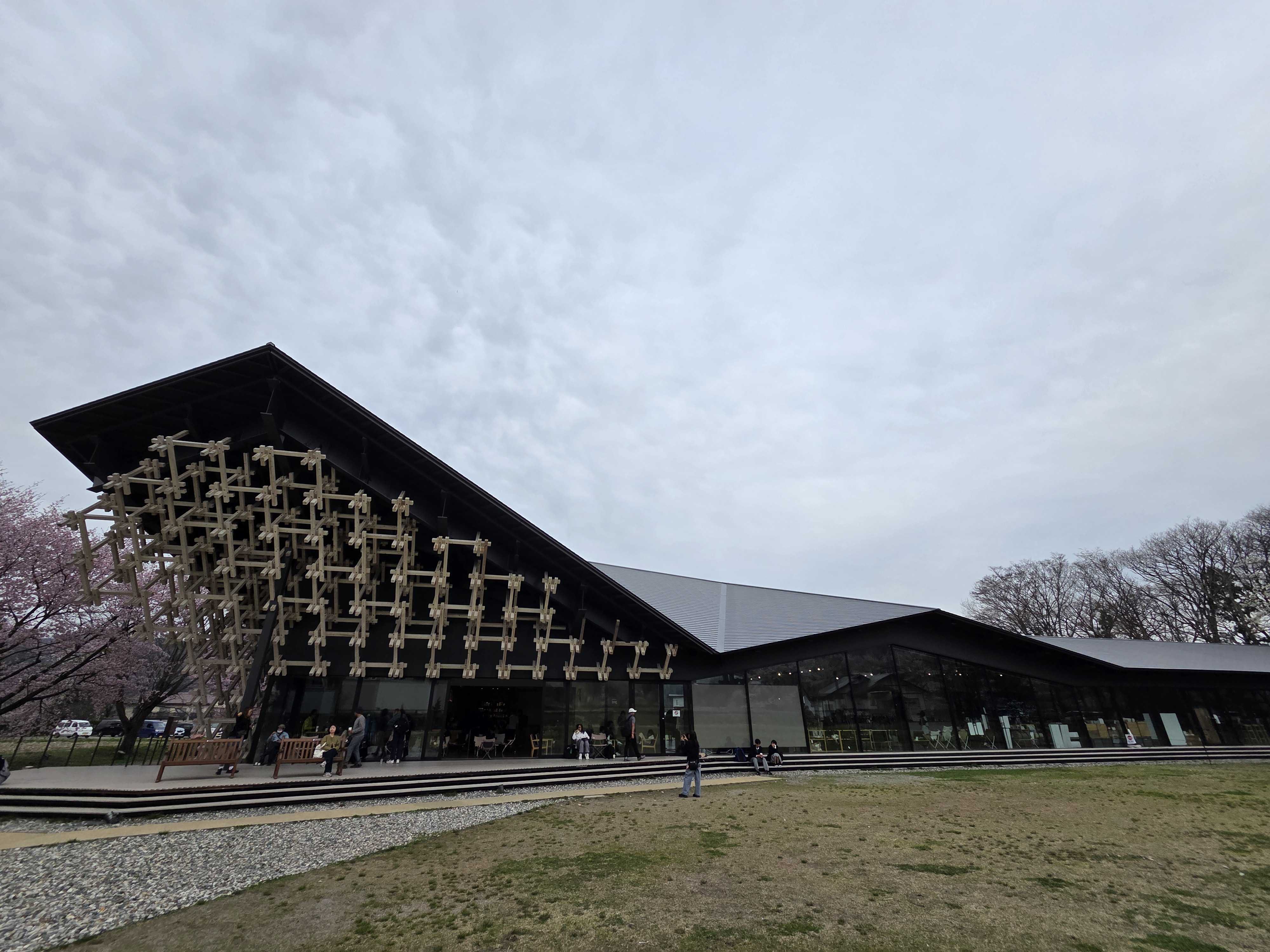
Snow Peak Land Station Hakuba: Stunning Architecture Meets Outdoor Adventure
Snow Peak Land Station Hakuba is an architectural masterpiece by Kengo Kuma that houses Japan's largest Snow Peak store, a Starbucks, and local dining - all with spectacular mountain views.

Hakuba Craft Beer Scene: Your Complete Guide to Local Breweries & Taprooms
From small-batch breweries tucked into village corners to taprooms with mountain views, Hakuba's craft beer scene has exploded into something special.

Hakuba Healthcare & Hospitals Access: Medical Facilities Distance Reality Check for Each Area
How far are you really from a hospital in Hakuba? MLIT data reveals the sobering distances from each resort area to essential medical services.

How to Get from Tokyo to Hakuba: Fastest, Cheapest Options (2024 Guide)
Getting from Tokyo to Hakuba doesn't have to be complicated. I'll walk you through four proven routes - from the lightning-fast Shinkansen connection to budget-friendly highway buses - so you can pick what works best for your trip.

Hakuba Echoland Area Guide: Restaurants, Bars & Accommodation in the Village's Social Hub
Hakuba's Echoland area pulses with international energy year-round. From legendary après-ski spots to cozy cafes, this compact district serves as the village's unofficial social headquarters.

Getting Around Hakuba Without a Car: Your Complete Transport Guide
From shuttle buses to bike rentals, here's how to explore every corner of Hakuba Valley without needing your own wheels - including my hard-learned lessons about winter transport.