
Hakuba vs Niseko: Which Is Better for Mountain Living?
After a decade in Hakuba and countless visits to Niseko, I'm often asked which mountain town reigns supreme. The answer isn't what most people expect.
I'm standing in line at the Happo-one gondola at 7:30 AM, chatting with Tanaka-san about his grandson's ski racing results, when a group of Australian tourists behind me starts debating whether they should've gone to Niseko instead. "The powder's supposed to be better up there," one says. I bite my tongue, but after ten years calling Hakuba home, I've heard this conversation a thousand times.
The Hakuba vs Niseko debate isn't really about which mountain has better snow - though we'll get to that. It's about what kind of mountain life you want to live.
The Powder Reality Check
Let's address the elephant in the gondola first: snow quality. Yes, Niseko gets more powder days per season. The Hokkaido cold keeps that snow drier, fluffier, more Instagrammable. But here's what the travel blogs won't tell you - Hakuba's snow is perfectly fine for 95% of skiers, and our longer season often means more total ski days.
I learned this the hard way during my first Niseko trip five years ago. Amazing powder, sure, but lift lines that reminded me why I left Whistler. In Hakuba, even on perfect bluebird days, I can lap Happo's Olympic runs without feeling like I'm at Disneyland.
The real difference? Niseko's reputation has created a powder-chasing culture that's exciting but exhausting. Hakuba still feels like a place where locals ski for fun, not just for the 'gram.
Cost of Living: Where Your Yen Goes Further
When people ask me about Hakuba vs Niseko which is better for their budget, I always start with housing. A decent 3-bedroom house in central Niseko will run you ¥40-60 million. The same money in Hakuba gets you something spectacular - maybe even with mountain views and that onsen I discovered after a particularly long day of property viewings with a client from Singapore.
| Category | Hakuba | Niseko |
|---|---|---|
| Housing (3-bedroom) | ¥40-60 million (better value) | ¥40-60 million (premium location) |
| Restaurant Dinner | ¥2,500-4,000 | ¥4,000-8,000 |
| Lift Tickets | ¥5,500 | ¥6,200 |
| Grocery Costs | Standard pricing | 20-30% more expensive |
| Property Taxes | Lower (Nagano Prefecture) | Higher |
| Snow Quality | Good quality, longer season | Superior powder, more powder days |
| Crowd Level | More relaxed, local atmosphere | Busier, tourist-focused |

Daily expenses tell the same story:
- Restaurant dinner: Hakuba ¥2,500-4,000 vs Niseko ¥4,000-8,000
- Lift tickets: Hakuba ¥5,500 vs Niseko ¥6,200
- Grocery basics: Roughly 20-30% more expensive in Niseko
- Property taxes: Significantly lower in Nagano Prefecture
The tourism boom has inflated Niseko prices beyond what many long-term residents can sustain. Hakuba's still accessible, though I'll admit that's changing as more people discover what we've known for years.
Community: The Soul of Mountain Living
Here's where the conversation gets interesting. Niseko feels like an international resort town that happens to be in Japan. English everywhere, familiar Western amenities, a social scene that revolves around après and Instagram meetups. Nothing wrong with that if it's what you're after.
Hakuba offers something different - a chance to actually integrate into Japanese mountain culture. My neighbor, Yamada-san, nearly choked on his morning coffee when I told him I was staying year-round, not just for ski season. "But what will you do in summer?" he asked. Three years later, he's teaching me to grow vegetables and I'm helping his grandson with English homework.

The international community in Hakuba is smaller but tighter. We know each other's dogs, share rides to Nagano for shopping runs, and show up for each other during the tough months. In Niseko, the expat community can feel transient - lots of seasonal workers and short-term visitors, fewer people putting down real roots.
Beyond Winter: The Four-Season Reality
Most people comparing these destinations only think about ski season. Fair enough - that's when both places shine. But if you're considering full-time mountain living, the off-season matters just as much.
Niseko in summer is... quiet. Really quiet. Many businesses close, the international crowd disappears, and you're left with a beautiful but somewhat sleepy farming community. Some people love this; others find it isolating.
Hakuba's summer and fall are when I remember why I moved here. Mountain biking trails that rival anything in Europe. The Alpine Route opens up hiking opportunities that make you forget the rest of the world exists. Festivals in nearby Omachi. The changing leaves in autumn that no photo quite captures.
Spring brings mountain vegetables and that first warm day when you can eat lunch outside at Mimi's Restaurant without your down jacket. These seasonal rhythms become part of you in a way that pure winter destinations never quite manage.
The Investment Angle
From a pure investment standpoint, Niseko has seen incredible appreciation over the past decade. Properties that sold for ¥20 million in 2015 are now hitting ¥50+ million. The numbers look great on paper.
But here's my contrarian take: Hakuba represents better value and potentially stronger long-term fundamentals. We're seeing steady 5-8% annual appreciation without the speculation bubbles. The 2026 Milano-Cortina Olympics will put the European Alps back in focus, but Hakuba's infrastructure and snow reliability keep us competitive.
More importantly, Hakuba properties generate strong rental yields year-round, not just during powder season. My own place books solid occupancy from May through October with hiking and cycling enthusiasts, something that's harder to achieve in Niseko.
So Which Is Actually Better?
After all this analysis, when someone asks me "Hakuba vs Niseko which is better," my answer depends entirely on what they're really asking.
Choose Niseko if you want:
- The best powder conditions in Japan
- A more international, resort-style atmosphere
- English-speaking services everywhere
- Stronger short-term investment gains
Choose Hakuba if you want:
- Better value for money across the board
- Authentic Japanese mountain community life
- Four-season outdoor recreation
- A more sustainable long-term lifestyle
Honestly? Both places will deliver incredible mountain experiences. I've never met anyone who regretted choosing either destination. The question isn't which mountain is objectively better - it's which one matches your vision of alpine living.
But I'll let you in on a secret: the time I accidentally skied into someone's private backyard in Wadano, the homeowner invited me in for tea instead of calling security. That's the Hakuba difference right there.
Frequently Asked Questions
Want more like this — but private?
Insider Hakuba notes I don't post publicly — market shifts, off-the-record picks, and behind-the-scenes finds. Free WhatsApp updates from Yurie.
Free · No spam · Leave any time
Related Articles

Hakuba Japan Digital Nomad Remote Work Guide: Living & Working in the Japanese Alps
Picture answering Slack messages while snow falls outside your window and the Northern Alps fill your view. Here's what remote work life is really like in Hakuba.
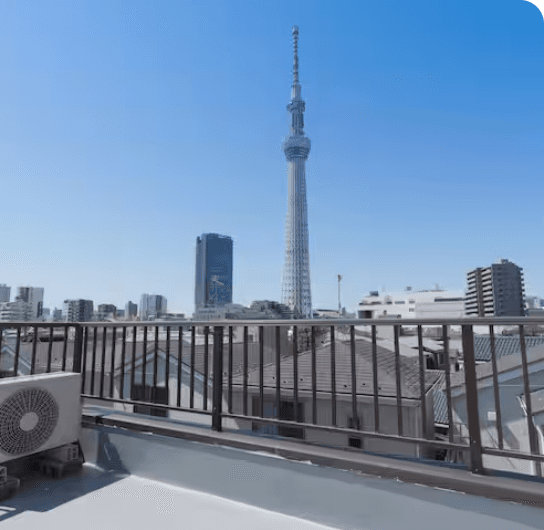
Stay Near Tokyo Skytree: My Sumida Ward Airbnb Experience
As the founder of HakubaHub, I've created the perfect Tokyo base for travelers exploring both the city and Japan's mountains. Here's why my Sumida ward Airbnb near Skytree is ideal for your Japan adventure.

Complete Guide to Hakuba Onsen Hot Springs: Where to Soak After Skiing
After a long day carving turns on Hakuba's legendary powder, nothing beats sinking into a natural hot spring. I'll walk you through every major onsen in the valley, from the rustic charm of Happo Onsen to the modern luxury of Mimizuku no Yu.
Getting Around Hakuba Without a Car: Your Complete Transport Guide
From shuttle buses to bike rentals, here's how to explore every corner of Hakuba Valley without needing your own wheels - including my hard-learned lessons about winter transport.

Hakuba Echoland Area Guide: Restaurants, Bars & Accommodation in the Village's Social Hub
Hakuba's Echoland area pulses with international energy year-round. From legendary après-ski spots to cozy cafes, this compact district serves as the village's unofficial social headquarters.

How to Get from Tokyo to Hakuba: Fastest, Cheapest Options (2024 Guide)
Getting from Tokyo to Hakuba doesn't have to be complicated. I'll walk you through four proven routes - from the lightning-fast Shinkansen connection to budget-friendly highway buses - so you can pick what works best for your trip.