
Hakuba Snow Season Dates and Conditions: Your Complete Guide to Japan's Powder Paradise
Planning your Hakuba ski trip? Here's everything you need to know about snow season timing, conditions, and what to expect throughout winter in Japan's Northern Alps.
After more than a decade of chasing powder in these mountains, I've learned that understanding Hakuba snow season dates and conditions can make or break your trip. Sure, everyone knows Hakuba gets incredible snow - but when exactly does it start? How long does it last? And what should you realistically expect month by month?
Let me break it down for you, complete with the insider details I wish someone had told me during my first season here.
Official Season Dates vs. Reality
Most Hakuba resorts officially open around mid-December and close in early May. Sounds straightforward, right? Well, not quite.
Here's the reality: Hakuba snow season dates and conditions vary dramatically year by year. I've seen seasons where Happo-one opened with machine-made snow on December 15th, and others where natural powder was already knee-deep by late November. The summer I realized Hakuba is just as beautiful without snow, I also learned that spring can stretch well into May with fantastic corn snow conditions.
The key dates to remember:
- Early season: Mid-December to late December (limited terrain)
- Peak season: January through March (all lifts operating)
- Late season: April through early May (weather dependent)
Pro tip: Don't book your trip based solely on resort opening dates. I always check the webcams and recent snowfall reports before finalizing any plans.
Month-by-Month Snow Conditions
December: The Anticipation Builds
December is hit or miss. Some years you're skiing perfect powder by mid-month. Others, you're staring at brown slopes wondering where winter went. The base-building usually happens late in the month, but don't expect full mountain access until after New Year's.
| Month | Season Phase | Snow Conditions | Terrain Access |
|---|---|---|---|
| December | Early Season | Hit or miss, base-building late month | Limited terrain |
| January | Peak Season | Most consistent snowfall, 20-30cm dumps | All lifts operating |
| February | Peak Season | Peak powder season, cold temperatures | All lifts operating |
| March | Peak Season | Continued good conditions | All lifts operating |
| April | Late Season | Corn snow conditions | Weather dependent |
| May | Late Season | Spring conditions, early closure | Weather dependent |

January: Prime Time Begins
This is when Hakuba really comes alive. January typically delivers the most consistent snowfall - often 20-30cm dumps every few days. The evening a group of us watched the sunset over the Northern Alps from a property balcony and everyone went quiet, it was mid-January with fresh snow glowing pink in the alpenglow.
February: Peak Powder Season
February is arguably the best month for Hakuba snow season dates and conditions. Cold temperatures keep the snow dry and fluffy. Most terrain is open, and you'll find the deepest base depths of the season. Expect crowds during Japanese school holidays though.
March: Spring Skiing Emerges
March starts cold but gradually warms up. You'll get a mix of powder days and spring conditions. The snow can get heavy by afternoon, but mornings are often spectacular. This is when I learned to appreciate different types of snow conditions.
April-May: Extended Season
Don't write off late season! April often surprises with unexpected powder dumps. May skiing depends entirely on weather patterns, but when it works, you're skiing in shorts with incredible views.
Understanding Hakuba's Snow Quality
Hakuba's legendary powder comes from specific weather patterns. Cold Siberian air masses pick up moisture crossing the Sea of Japan, then dump it as light, dry snow when they hit the Northern Alps.
What makes Hakuba special:
- Consistent cold temperatures: Keeps snow from getting icy
- Regular snowfall cycles: Fresh snow every 3-5 days typically
- Varied aspects: Different slopes offer different conditions
- Altitude differences: Higher elevations stay powder longer
The quality can vary significantly between resorts too. Cortina tends to hold powder longer due to its north-facing slopes, while Happo-one's south-facing runs can get crusty by afternoon on sunny days.

Weather Patterns and Forecasting
Understanding Hakuba's weather patterns helps you make better decisions about Hakuba snow season dates and conditions. The area gets hit by several distinct weather systems:
The Classic Powder Cycle: High pressure over the continent, low pressure near Japan equals fresh snow. These systems typically last 2-3 days and drop 30-60cm of fresh snow.
Sunny Stretches: After snow systems pass, you often get 2-4 days of bluebird skies. Perfect for photos, but the powder gets tracked out fast.
Warm Spells: Occasional warm fronts can bring rain even in mid-winter. Not fun, but they're usually brief.
I'll be honest - I still struggle with Japanese weather forecasts sometimes. Getting lost in translation at the city office while filing property paperwork was nothing compared to trying to decode weather symbols on local TV!
Planning Your Visit: Key Strategies
Here's how I recommend approaching Hakuba snow season dates and conditions for trip planning:
For Guaranteed Snow: Book for late January through February. You might pay peak prices, but you'll almost certainly get good conditions.
For Value: Consider December or March. December is cheaper but riskier. March offers spring skiing at better prices than peak season.
For Uncrowded Powder: Weekdays in January are magical. Avoid Japanese school holidays (late December, Golden Week, Japanese winter break).
Step-by-step planning process:
- Check historical snowfall data for your target dates
- Monitor long-range forecasts 2-3 weeks before travel
- Book accommodation with flexible cancellation policies
- Have backup plans for poor weather days
- Consider multiple resort options within Hakuba Valley
Common Mistakes to Avoid
I've seen plenty of visitors make these errors when planning around Hakuba snow season dates and conditions:
Assuming early December is reliable: Some years it's fantastic, others disappointing. Don't bet your only Japan trip on early season conditions.
Ignoring altitude differences: Tsugaike at 1,200m base elevation holds snow longer than Jiigatake at 760m. Plan accordingly.
Overestimating late season: April can be incredible, but it can also be over. Don't plan your entire trip around late season unless you're flexible.
Focusing only on snowfall totals: Temperature matters as much as snow depth. 100cm of dense, wet snow skis worse than 50cm of cold powder.
Not having indoor backup plans: Even in Hakuba, weather happens. Know where the onsens are, what museums exist, and how to get to nearby towns.
The bottom line? Hakuba delivers incredible snow most winters, but like any mountain destination, flexibility and realistic expectations will serve you well. I've had perfect powder days in early December and rainy disappointments in February. That's mountain life - and honestly, it's part of what keeps me coming back year after year.
Frequently Asked Questions
Want more like this — but private?
Insider Hakuba notes I don't post publicly — market shifts, off-the-record picks, and behind-the-scenes finds. Free WhatsApp updates from Yurie.
Free · No spam · Leave any time
Related Articles
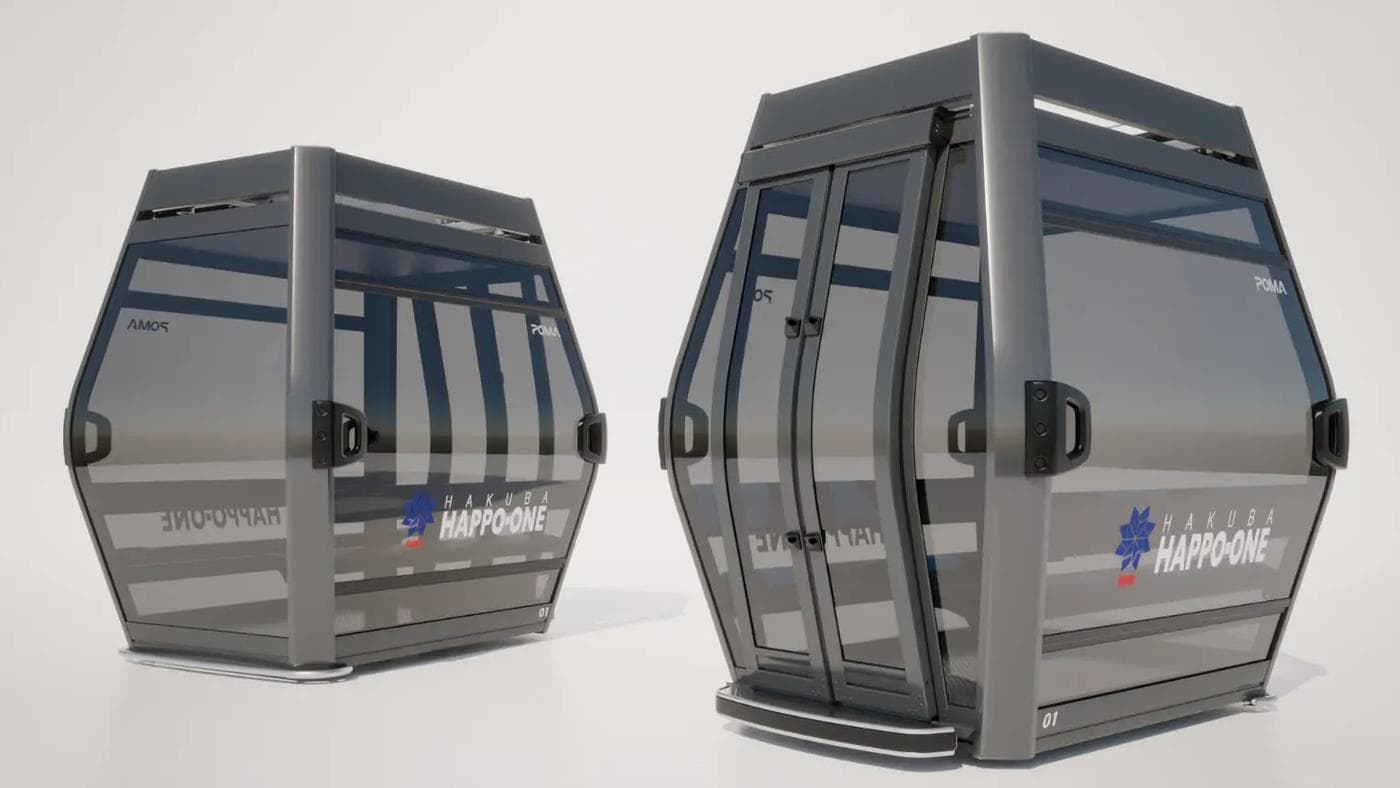
Happo-One's ¥3.2 Billion Gondola Replacement: What Skiers Need to Know About the 2027 Upgrade
After four decades of faithful service, Happo-One's iconic Adam gondola is getting a complete makeover. The new ¥3.2 billion system promises 78% more capacity and panoramic views when it opens in December 2027.

Olympic Mogul Champions Coming to Hakuba Goryu April 2026
Gold, silver, and bronze medalists from the 2026 Milano-Cortina Olympics are heading to Hakuba Goryu for a two-day mogul camp in April.

Plan·Do·See Takes Over Hakuba Alps Hotel, Reopening December 2026
Hotel company Plan·Do·See starts renovating the 55-year-old Hakuba Alps Hotel, planning a December 2026 reopening as THE ALPS HOTEL HAKUBA with expanded amenities.

Hakuba Iwatake Hits 475,000 Visitors Despite Low Snow Winter
Despite challenging snow conditions, Iwatake's focus on non-skier attractions drove tourism numbers to record levels.

Hakuba Snow Forecast 2026-2027: Early Predictions and Property Market Impact
The Japan Meteorological Agency's early snow predictions for Hakuba 2026-2027 are already driving rental booking surges and property market activity across the valley.
Tokyo to Hakuba 2026: Updated Routes, Prices & Travel Times
There's no shinkansen to Hakuba itself — but the Hokuriku Shinkansen to Nagano plus a quick bus is still the fastest way. Here's what works best for different budgets and timelines in 2026.