
The Only Hakuba Ski Resorts Complete Guide You'll Actually Need
After a decade of skiing every corner of the Hakuba Valley, I'm sharing the unvarnished truth about each resort - from hidden gems to tourist traps.
Let me be brutally honest: most Hakuba ski resort guides are written by people who've spent maybe a week here. After living in the valley for over ten years and helping dozens of international buyers choose properties based on ski access, I've got some strong opinions about which resorts actually deliver.
This isn't your typical sugar-coated tourism brochure. This is the Hakuba ski resorts complete guide I wish I'd had when I first arrived, wide-eyed and clutching a JR Pass.
Understanding the Hakuba Valley Layout (It's Not What You Think)
First things first - "Hakuba" isn't one massive ski area like Whistler or Val d'Isère. It's a collection of ten distinct resorts scattered across the valley, each with its own personality, lift ticket, and quirks.
The valley runs roughly north-south, with most resorts clustered around three main villages:
- Hakuba Village - Home to Happo-One (the Olympics venue) and Hakuba 47
- Wadano - Base of Hakuba Goryu and gateway to the backcountry
- Echoland - Tourist central, close to multiple smaller resorts
Here's what no one tells you: the shuttle bus system between resorts sounds great in theory but can eat up precious powder time. I learned this the hard way during my second season, spending more time on buses than slopes. Choose your base wisely.
The Major Players: Where to Spend Your Yen
Happo-One: The Crown Jewel (With a Price Tag to Match)
This is Hakuba's flagship resort, and for good reason. The terrain is genuinely world-class, with everything from gentle cruisers to genuinely terrifying off-piste lines that'll have you questioning your life choices.
| Resort | Daily Lift Ticket | Season Length | Best For | Main Drawbacks |
|---|---|---|---|---|
| Happo-One | ¥6,000+ | Dec - Early May | Advanced skiers, Olympic experience | Expensive, weekend crowds |
| Hakuba 47 & Goryu | Combined ticket | Standard season | Most terrain value, connected resorts | - |

The Good:
- Longest season (typically December to early May)
- Most reliable snow conditions
- Olympic downhill course (though it's harder than it looks on TV)
- Excellent English signage and staff
The Reality Check:
- Expensive - easily ¥6,000+ per day
- Crowds on weekends can be soul-crushing
- Base facilities feel dated despite recent renovations
Hakuba 47 & Goryu: The Dynamic Duo
These two resorts are connected and share lift tickets, giving you the most terrain for your money. Goryu tends to attract the hardcore skiers and snowboarders, while 47 has more family-friendly vibes.
I remember discovering my favorite hidden onsen after a long day of property viewings in Wadano - the perfect way to soak off the aches from exploring Goryu's steeper terrain with clients who insisted they were "advanced intermediates." They weren't.
Why They Work:
- Best value proposition in the valley
- Less crowded than Happo-One
- Goryu's terrain parks are legitimately good
- 47's tree skiing is underrated
Tsugaike Kogen: The Gentle Giant
If you're bringing kids or nervous beginners, this is your spot. The resort sprawls across multiple peaks with predominantly intermediate terrain. Not exciting for experts, but perfect for building confidence.
The Hidden Gems (Where Locals Actually Ski)
Hakuba Norikura: The Best-Kept Secret
Tiny, family-run, and absolutely magical on powder days. The lift system is basic - we're talking single chairs that move at glacial pace - but the terrain is pure. No crowds, no attitude, just skiing the way it should be.

Fair Warning: English support is minimal. I still get lost in translation at places like this, but that's half the charm.
Hakuba Sanosaka: For the Adventurous
This one's not even on most international visitors' radar. Small, steep, and gloriously empty most days. The kind of place where the lift operator remembers your name by day three.
Strategic Planning: Making Your Yen Count
Here's my step-by-step approach to planning your Hakuba skiing, refined through years of trial and error:
Step 1: Choose Your Base Location
Stay near the resort you'll ski most. Shuttles are convenient but time-consuming. I've seen too many visitors waste half their powder days in transit.
Step 2: Mix and Match Lift Tickets
Don't just buy the expensive multi-resort passes without thinking. For most visitors, 2-3 days at major resorts plus 1-2 days exploring smaller areas works better.
Step 3: Watch the Weather (Religiously)
Japanese weather apps become your best friend. Snow.jp and tenki.jp are more accurate than international services.
Step 4: Plan Rest Days
Seriously. The skiing here can be physically demanding, especially in deep powder. Build in onsen days.
Common Mistakes (That I See Every Season)
Mistake #1: Underestimating Powder Skiing
Japanese powder is different. Deeper, lighter, and more challenging to ski than groomed runs. I've watched countless "expert" skiers from Europe struggle their first day here.
Mistake #2: Ignoring Smaller Resorts
Everyone flocks to Happo-One and Goryu. Meanwhile, places like Norikura and Sanosaka offer equally good skiing with none of the crowds.
Mistake #3: Not Checking Operating Status
Smaller resorts sometimes close midweek or in bad weather without much notice. Always check before making the trek.
Mistake #4: Overdressing
This isn't Siberia. Temperatures are generally milder than European or North American resorts at similar latitudes. I see people sweating through multiple base layers while locals ski in single shells.
My Personal Recommendations After 10 Years
If you're only here for a long weekend, stick to Happo-One and the 47/Goryu combo. You'll get the classic Hakuba experience without spreading yourself too thin.
For week-long stays, this is my preferred rotation:
- Days 1-2: Happo-One (get your bearings)
- Days 3-4: Goryu/47 (more terrain, fewer crowds)
- Day 5: Rest day (onsen and property viewing if you're shopping)
- Days 6-7: Mix of smaller resorts depending on conditions
Here's something most guides won't tell you: the best skiing often happens at the smaller resorts during storm cycles. When Happo-One is wind-held and crowded, places like Norikura can be absolutely firing.
I'll never forget the look on a client's face when they saw fresh powder from their new living room window for the first time. We'd spent the morning at Cortina (another underrated gem), and by afternoon, they were ready to make an offer on a slope-side property. That's the magic of having this Hakuba ski resorts complete guide knowledge at your fingertips.
The truth is, there's no single "best" resort in Hakuba. It depends on your skill level, budget, crowd tolerance, and what kind of mountain experience you're after. But with this honest breakdown, you can make informed choices instead of just following the herd.
Trust me - after a decade of skiing every corner of this valley, I've learned that the perfect powder day isn't always found at the most famous resort. Sometimes it's waiting at a tiny family-run mountain where the lift ticket costs ¥3,000 and the locals still bow when you get off the chair.
Frequently Asked Questions
Want more like this — but private?
Insider Hakuba notes I don't post publicly — market shifts, off-the-record picks, and behind-the-scenes finds. Free WhatsApp updates from Yurie.
Free · No spam · Leave any time
Related Articles
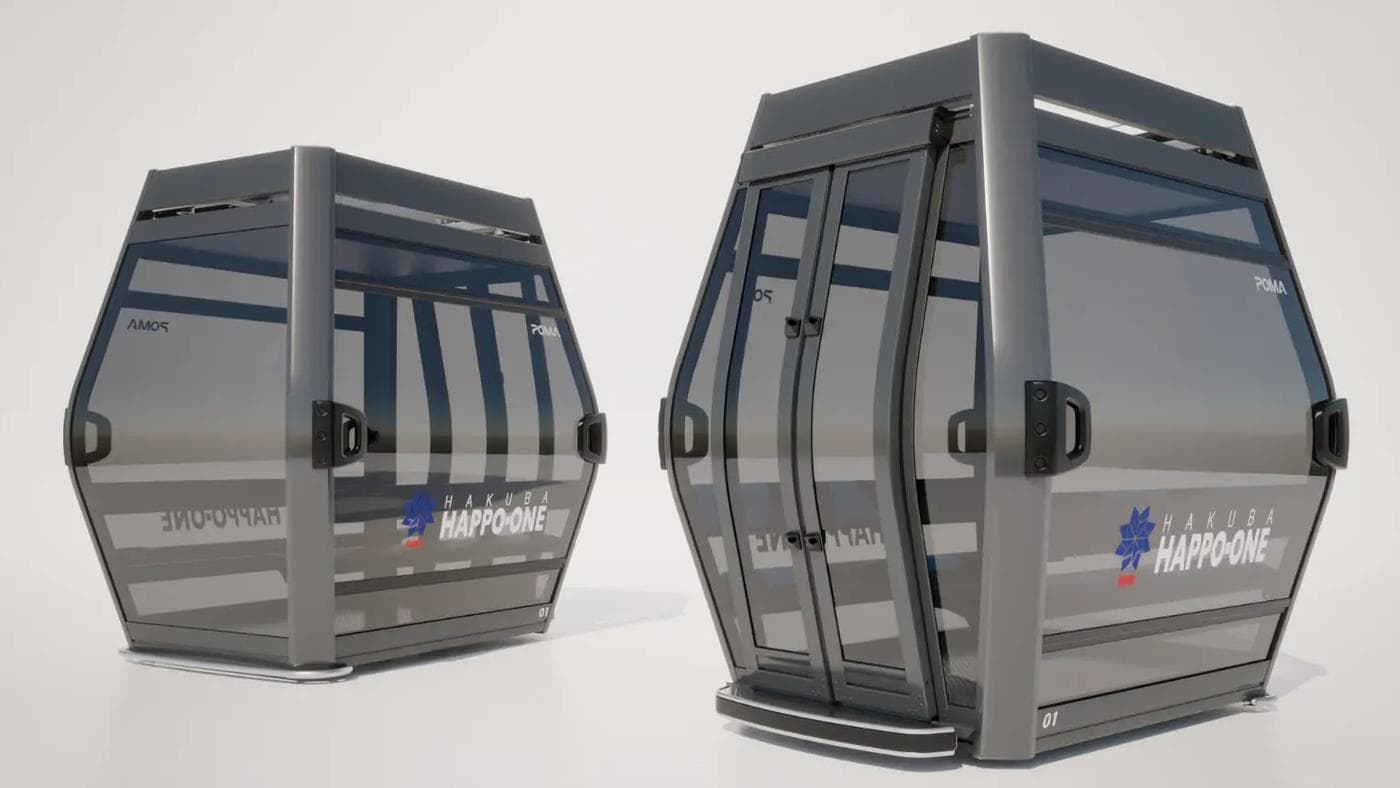
Happo-One's ¥3.2 Billion Gondola Replacement: What Skiers Need to Know About the 2027 Upgrade
After four decades of faithful service, Happo-One's iconic Adam gondola is getting a complete makeover. The new ¥3.2 billion system promises 78% more capacity and panoramic views when it opens in December 2027.

Olympic Mogul Champions Coming to Hakuba Goryu April 2026
Gold, silver, and bronze medalists from the 2026 Milano-Cortina Olympics are heading to Hakuba Goryu for a two-day mogul camp in April.

Plan·Do·See Takes Over Hakuba Alps Hotel, Reopening December 2026
Hotel company Plan·Do·See starts renovating the 55-year-old Hakuba Alps Hotel, planning a December 2026 reopening as THE ALPS HOTEL HAKUBA with expanded amenities.

Hakuba Iwatake Hits 475,000 Visitors Despite Low Snow Winter
Despite challenging snow conditions, Iwatake's focus on non-skier attractions drove tourism numbers to record levels.

Hakuba Snow Forecast 2026-2027: Early Predictions and Property Market Impact
The Japan Meteorological Agency's early snow predictions for Hakuba 2026-2027 are already driving rental booking surges and property market activity across the valley.
Tokyo to Hakuba 2026: Updated Routes, Prices & Travel Times
There's no shinkansen to Hakuba itself — but the Hokuriku Shinkansen to Nagano plus a quick bus is still the fastest way. Here's what works best for different budgets and timelines in 2026.