
Hakuba International Schools and Education: A Parent's Reality Check
Living in Hakuba with school-age kids? Here's the unvarnished truth about international education options in our mountain paradise - and how to make it work.
Let me be blunt: if you're moving to Hakuba expecting to find a British International School or American School of Japan branch nestled between the ski runs, you're going to be disappointed. But before you shelve those dreams of mountain living with kids, let me share what I've learned helping families navigate Hakuba international schools and education over the past decade.
The reality is more complex - and often more creative - than you might expect.
The Local Education Landscape
Hakuba Village has three public elementary schools and one public junior high school. That's it. No international schools in the traditional sense. The closest thing to international education happens at Hakuba International School (HIS), which operates more as an English-language learning center than a full-curriculum international school.
I remember helping a family from Singapore who'd assumed they'd find options similar to what they'd left behind. The look of panic when they realized the gap was real. But here's what I've discovered: families who stay often find solutions that work better than they imagined.
The public schools actually welcome international students, though instruction is primarily in Japanese. Some teachers speak basic English, and there's usually at least one staff member who can communicate with foreign parents. It's not ideal, but it's not impossible either.
Distance Learning and Online Options
This is where most international families in Hakuba find their sweet spot. The time zone difference with Europe and North America can actually work in your favor - European online schools often have live sessions during Japan's afternoon hours.
| Education Option | Description | Pros | Cons |
|---|---|---|---|
| Local Public Schools | 3 elementary schools, 1 junior high school in Hakuba Village | Welcome international students, some English-speaking staff, local integration | Primarily Japanese instruction, limited English support |
| Hakuba International School (HIS) | English-language learning center | English instruction, local presence | Not a full-curriculum international school |
| Distance Learning/Online Schools | European and international online programs | Accredited qualifications, flexible timing with time zones, recognized diplomas | Potential isolation, technical requirements, need for support |

Here's my step-by-step approach for evaluating online education:
- Research accredited programs first - Focus on schools that offer recognized qualifications (IB, A-levels, American high school diploma)
- Check time zone compatibility - Live sessions at 2 AM won't work long-term
- Assess technical requirements - Hakuba's internet is generally good, but have backup plans
- Consider social aspects - Pure online learning can feel isolating in a small mountain community
- Budget for support - You might need tutoring or additional resources
Popular choices I've seen work include King's InterHigh, Crimson Global Academy, and various American online high schools. The key is matching the school's schedule and teaching style to your family's needs.
Homeschooling, Mountain Style
Homeschooling in Hakuba offers unique advantages. Where else can you incorporate skiing into PE class or study geology while hiking the Tateyama mountains?
The summer I realized Hakuba is just as beautiful without snow was also when I noticed how many homeschooling families use the outdoors as their extended classroom. Spring wildflower identification, autumn forest ecology, winter snow science - it's environmental education at its finest.
Common homeschooling approaches that work well here:
- Curriculum-based programs - Structured approaches like Charlotte Mason or Montessori
- Unschooling with nature focus - Child-led learning using Hakuba's environment
- Hybrid approaches - Combining online courses with hands-on outdoor education
- Co-op arrangements - Several families sharing teaching responsibilities
The challenge? Social interaction can be limited, especially during shoulder seasons when tourist families aren't around.

Seasonal Boarding School Solutions
Here's an option that sounds extreme but works for some families: seasonal boarding schools. Kids attend international schools in major cities during the school year, then join parents in Hakuba for holidays and summers.
I've seen this work particularly well with:
- Teenagers who need specialized programs or want independence
- Families with flexible work arrangements who can travel frequently
- Kids who thrive in structured environments but love mountain adventures
Tokyo has excellent international schools like ASIJ and Nishimachi. Closer options include Karuizawa's ISN (International School of the Sacred Heart), about three hours away.
The downside? Cost. You're paying for both boarding fees and maintaining your Hakuba property. It's not for everyone financially.
Practical Tips for Making It Work
After watching dozens of families figure this out, here are the strategies that consistently work:
Start Planning Early
Don't wait until you've moved. Research options, connect with other international families, and have backup plans. The worst time to figure out education is when you're already settled and kids are school-age.
Build Community Connections
The international community in Hakuba is small but supportive. Parents often share resources, arrange group activities, and provide the social interaction that formal schooling typically offers.
Budget Realistically
Quality Hakuba international schools and education options cost more than public school back home. Factor in online school fees, tutoring, educational materials, and potentially higher internet costs.
Embrace the Unique Opportunities
Your kids will have experiences most international school students don't get. Skiing black diamonds at 10, understanding seasonal rhythms, learning basic Japanese through necessity - these aren't disadvantages.
Common Mistakes to Avoid
I'll be honest - I've made some of these mistakes myself when helping families navigate education decisions:
- Assuming local schools are inadequate - Some international kids thrive in Japanese public schools with proper support
- Over-committing to online programs - Six hours of screen time daily doesn't work for every child
- Ignoring legal requirements - Japan has compulsory education laws that affect foreign residents
- Underestimating language barriers - Both for kids and parents dealing with school communications
- Forgetting about university preparation - Make sure your chosen path leads to recognized qualifications
The look on a client's face when they saw fresh powder from their new living room window for the first time reminded me why families choose Hakuba despite education challenges. Sometimes the life experience outweighs traditional schooling conveniences.
That said, education is non-negotiable for most parents. The good news? Creative solutions exist, and the international community here is incredibly resourceful. It just requires more planning and flexibility than you might be used to.
Your approach to Hakuba international schools and education will depend on your kids' ages, learning styles, budget, and long-term plans. But with proper preparation, it's absolutely possible to give your children an excellent education while living in one of Japan's most beautiful mountain communities.
Frequently Asked Questions
Want more like this — but private?
Insider Hakuba notes I don't post publicly — market shifts, off-the-record picks, and behind-the-scenes finds. Free WhatsApp updates from Yurie.
Free · No spam · Leave any time
Related Articles

Hakuba Japan Digital Nomad Remote Work Guide: Living & Working in the Japanese Alps
Picture answering Slack messages while snow falls outside your window and the Northern Alps fill your view. Here's what remote work life is really like in Hakuba.
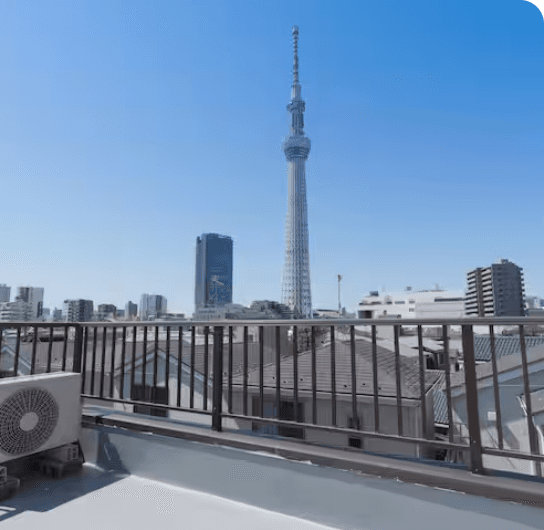
Stay Near Tokyo Skytree: My Sumida Ward Airbnb Experience
As the founder of HakubaHub, I've created the perfect Tokyo base for travelers exploring both the city and Japan's mountains. Here's why my Sumida ward Airbnb near Skytree is ideal for your Japan adventure.

Complete Guide to Hakuba Onsen Hot Springs: Where to Soak After Skiing
After a long day carving turns on Hakuba's legendary powder, nothing beats sinking into a natural hot spring. I'll walk you through every major onsen in the valley, from the rustic charm of Happo Onsen to the modern luxury of Mimizuku no Yu.
Getting Around Hakuba Without a Car: Your Complete Transport Guide
From shuttle buses to bike rentals, here's how to explore every corner of Hakuba Valley without needing your own wheels - including my hard-learned lessons about winter transport.

Hakuba Echoland Area Guide: Restaurants, Bars & Accommodation in the Village's Social Hub
Hakuba's Echoland area pulses with international energy year-round. From legendary après-ski spots to cozy cafes, this compact district serves as the village's unofficial social headquarters.

How to Get from Tokyo to Hakuba: Fastest, Cheapest Options (2024 Guide)
Getting from Tokyo to Hakuba doesn't have to be complicated. I'll walk you through four proven routes - from the lightning-fast Shinkansen connection to budget-friendly highway buses - so you can pick what works best for your trip.