
Hakuba Hiking Trails Summer 2026: Complete Guide to Green Season Routes
Your complete guide to Hakuba's summer hiking trails, from family-friendly valley walks to challenging alpine routes that reward you with stunning Japanese Alps views.
TL;DR: Hakuba offers over 20 hiking trails ranging from 1-hour valley walks to full-day alpine adventures, with the best conditions from July through October.
Summer transforms Hakuba from a world-class ski destination into a hiker's paradise. The same mountains that challenge Olympic skiers become accessible through a network of trails that range from gentle riverside walks to serious alpine climbs. After years of exploring these routes with my family—some successful, others abandoned halfway up—I've learned which Hakuba hiking trails summer 2026 visitors should prioritize.
- Peak hiking season runs July-October, with August offering the most stable weather
- Happo-one Nature Trail is perfect for families, while Karamatsu requires serious alpine experience
- Most trailheads are accessible by local bus or short taxi ride from village centers
- Always check weather conditions—mountain weather changes rapidly even in summer
- Trail difficulty varies dramatically; choose based on your actual fitness level, not ski ability
Quick Trail Selection by Experience Level
| Trail Name | Difficulty | Duration | Best Feature |
|---|---|---|---|
| Happo-one Nature Trail | Easy | 2-3 hours | Alpine pond views |
| Tsugaike Nature Park | Easy-Moderate | 3-4 hours | Wetland boardwalk |
| Karamatsu Peak | Challenging | 8-10 hours | 360-degree summit views |
| Shirouma-dake | Expert | 12+ hours | Serious alpine climb |
Best Family-Friendly Hakuba Hiking Trails
Happo-one Nature Trail
Start here if you're bringing kids. The gondola does most of the heavy lifting, whisking you up to 1,400 meters, and then it's just a gentle stroll through alpine meadows. My kids were eight and ten when we first tackled this, and they handled it without complaint. Much of the trail follows wooden boardwalks—which is actually great because it protects both your knees and those fragile alpine plants. You'll come across several small ponds that mirror the surrounding peaks on calm days, and the whole loop takes most families about two hours. Plenty of spots to stop and catch your breath without feeling rushed.Otokozaka and Onnazaka Trails
These old footpaths wind through dense forest between Hakuba village and the hot springs area. Otokozaka (which literally means "men's slope") is steeper and more direct, whereas Onnazaka ("women's slope") takes a gentler, longer route through the trees. What's cool about these is they show you a completely different side of Hakuba hiking—forest immersion instead of alpine vistas. Both trails are well-marked and maintained. You can loop them together by going up one and down the other, or pair them with an onsen dip at either end (honestly, the perfect way to finish a hike).Intermediate Mountain Routes
Tsugaike Nature Park High-Altitude Trail
Here's where Tsugaike tricks people. Most visitors hop off the gondola, do the easy loop around Tsugaike Pond, snap some photos, and call it a day. But if you push past the casual crowd and keep going up the marked trail toward higher elevation, you get something special—about two more hours of hiking that opens up views across the entire Hakuba valley. My husband and I realized during one summer visit that we'd been missing the whole point of these mountains. We'd skied them dozens of times, but hiking them under your own power feels completely different. You're not just passing through—you're actually present. Anyway, back to the trail itself: the views alone make the extra effort worth it.
Iimori Plateau Trail
Want something different? Iimori's a rolling plateau walk where the scenery constantly shifts. The trail network lets you piece together your own route—hit multiple peaks and highland areas depending on how much time and energy you've got. It's quieter than the gondola-access spots, partly because reaching the trailhead takes more planning. This is honestly where you start to get why serious hikers obsess over Hakuba's summer season. Varied terrain, killer views, and you can actually feel isolated in the mountains even though you're at a major ski resort.Challenging Alpine Adventures
Karamatsu Peak (2,696m)
Karamatsu separates the "I enjoy walks in nature" crowd from actual mountain people. It starts off friendly enough—following the Happo-one nature trail initially—but then branches onto steeper terrain that demands real effort. Loose rock, significant elevation gain, and proper boots are non-negotiable. You'll also want layers because temperatures drop fast as you climb. The reward? A genuine alpine summit with 360-degree views across the Northern Japanese Alps. Clear days let you see all the way to Mount Fuji. But don't downplay this hike—it needs a full day, solid weather, and honest self-assessment of your conditioning.Shirouma-dake (2,932m)
Expert-only territory. Shirouma ranks among Japan's most demanding day hikes, requiring technical chops, solid equipment, and years of alpine experience. You're dealing with exposed ridges, steep snow fields (yes, even in summer), and sections where a slip isn't just uncomfortable—it's dangerous. I'm including it for completeness, but let's be real: if you're reading this guide to pick your first Hakuba hike next summer, skip Shirouma. Work toward it over several seasons once you've built up proper skills.Practical Planning Information
When to Hike: Seasonal Timing
July: Trails fully clear of snow, wildflowers starting to pop. Weather's unpredictable though—sudden storms aren't rare. August: Peak season with the steadiest weather and best trail shape. Expect crowds on famous routes, especially weekends — and honestly, it can feel packed on peak days. September: My personal favorite. Cooler temps, fewer people, and early autumn colors creeping in. Generally reliable weather windows too. October: Beautiful fall foliage but shorter daylight hours and real risk of early snow at high elevation.
Getting to Trailheads
Most Hakuba hiking trails summer 2026 visitors can reach by public transport or quick taxi rides:- Happo-one: Local bus from Hakuba Station (15 minutes) or walk from most village lodging
- Tsugaike: Direct bus service runs during summer season
- Iimori: Requires taxi or rental car—no public transit option to the trailhead
- Forest trails: Most are walkable directly from village centers
Essential Gear Checklist
For all trails:- Proper hiking boots with ankle support
- Layered clothing system (mountain weather flips on a dime)
- Rain gear (mandatory, seriously—even sunny mornings can turn)
- Way more water than you think you'll need
- Emergency whistle and basic first aid kit
- Headlamp with backup batteries
- Map and compass (don't trust phone GPS alone)
- Emergency shelter or space blanket
- Extra food and warm clothes
Common Mistakes to Avoid
Underestimating mountain weather: I've watched people start hikes in shorts and t-shirts because it's warm in town, then get hammered by mountain storms wearing cotton. Always pack layers and rain gear, no excuses. Overestimating your fitness: That ski run you've descended a hundred times? Hiking up it is a completely different animal. Start with easier trails and progress from there. Relying only on ski-season knowledge: Summer operations run on different schedules. Gondolas keep limited hours, some access points close entirely, and trail conditions shift weekly. Not checking current conditions: Trail shape changes constantly during green season. What was clear last weekend might have washouts or downed trees blocking the way this weekend. Editorial Note: This article is for general informational purposes only and does not constitute legal, tax, or financial advice. Read our full disclaimer.
Frequently Asked Questions
Want more like this — but private?
Insider Hakuba notes I don't post publicly — market shifts, off-the-record picks, and behind-the-scenes finds. Free WhatsApp updates from Yurie.
Free · No spam · Leave any time
Related Articles

Hakuba Happo Pond Hike Guide: Family-Friendly Alpine Adventure
A gentle alpine walk with massive payoff — crystal-clear pond reflections and the best views of the Hakuba Three Peaks you'll find anywhere.

Tsugaike Natural Park Launches Digital Stamp Rally Through 1,900m Alpine Wetlands
Tsugaike Natural Park launches a digital stamp rally from June 20 through October 25, guiding visitors along a 5.5 km boardwalk loop through one of Japan's highest alpine wetlands at 1,900m elevation.

Hakuba Mountain Biking at Iwatake: Trails, Lift Access & Year-Round Investment Guide
Iwatake isn't just a ski resort — its lift-accessed mountain biking trails run May through October, turning a winter-only asset into year-round rental income. Here's what you need to know about the trails, rentals, and investment math.
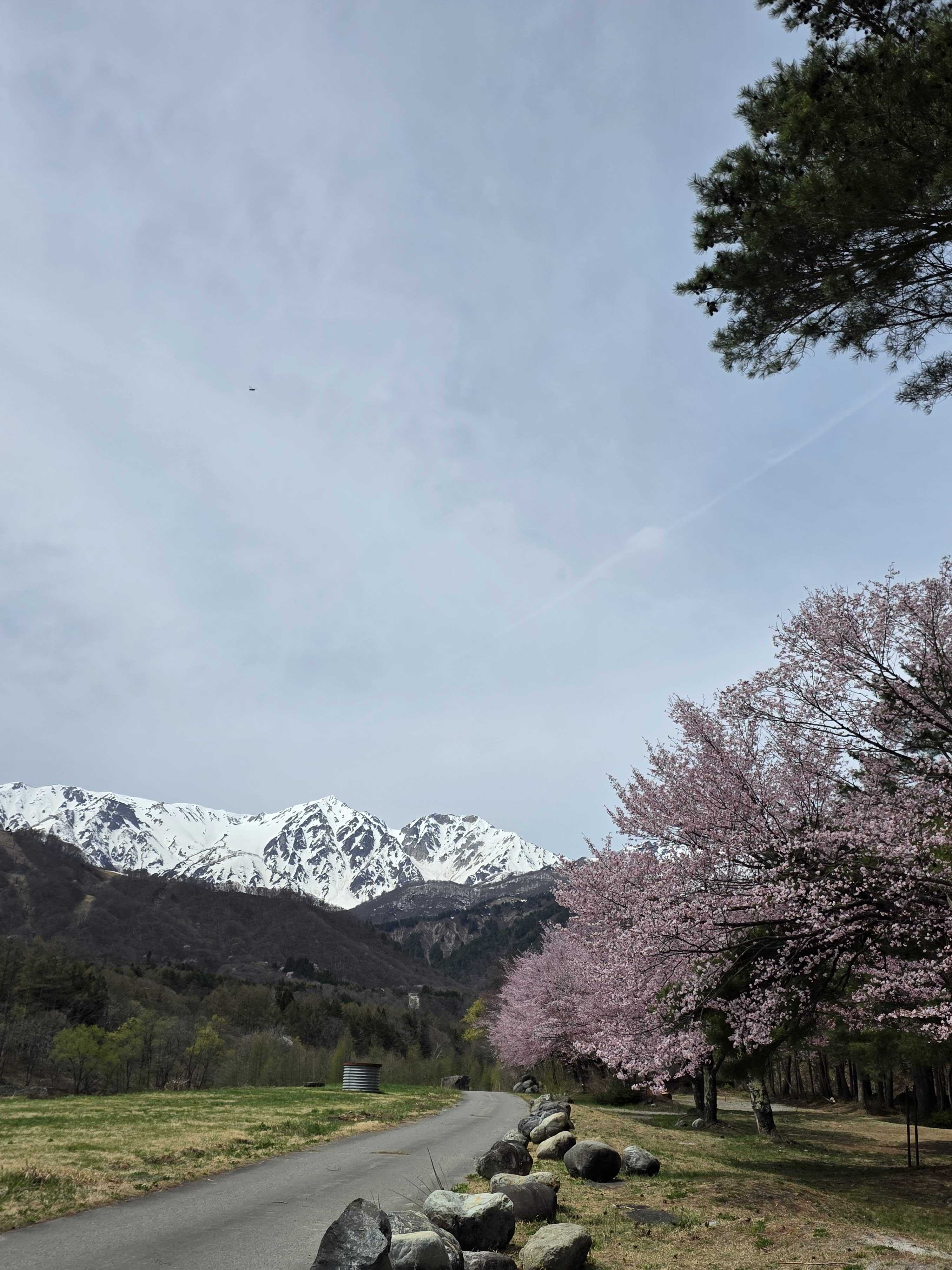
Hakuba Donguri Campsite Review: Family Paradise by Matsukawa River
Nestled beside Matsukawa River with breathtaking views of Hakuba's Three Mountains, Donguri campsite is a family camping paradise that's especially magical during cherry blossom season.

Hakuba Mountain Biking Trails Summer Guide (2026): Iwatake MTB Park, Lift-Accessed Downhill & Rental Occupancy Impact
From Iwatake's lift-accessed downhill trails to cross-country routes through the alpine, Hakuba's summer mountain biking scene is transforming green-season rental occupancy. Here's what riders and property investors need to know.

Hakuba Mountain Biking Trails Guide: Iwatake MTB Park & Summer Riding
The same valley that buried us in powder all winter turns into one of Japan's best gravity-fed mountain biking playgrounds come June. Here's what you need to know about Iwatake MTB Park and riding Hakuba in the green season.