
Hakuba Four Seasons: What to Expect Living in Japan's Most Dynamic Mountain Town
After ten years of watching Hakuba transform through its seasons, I've learned that each one brings its own magic and challenges. Here's what you can really expect when you experience all four seasons in Japan's premier alpine town.
The evening a group of us watched the sunset over the Northern Alps from a property balcony and everyone went quiet, I realized something profound about Hakuba's seasons. We'd been chattering away about ski conditions and property prices, but when those peaks turned gold, then pink, then purple in the fading light, conversation just... stopped. That moment - sometime in late autumn when the first snow was dusting the high peaks - perfectly captured why understanding Hakuba four seasons what to expect matters so much if you're thinking of making this place home.
After a decade here, I've watched countless people fall in love with Hakuba during one season, only to wonder what they've gotten themselves into during another. Each season brings its own rhythm, its own community, and yes, its own challenges.
Winter: Powder Paradise Meets Tourist Chaos
Let's start with the obvious one. Hakuba's winter is legendary, and for good reason. From mid-December through March, we get an average of 11 meters of snow. Eleven meters. That's more than most buildings are tall.
But here's what the tourism brochures don't tell you about winter life here. Yes, the skiing is incredible - I still get giddy on those perfect powder mornings when Happo-One opens fresh terrain. But winter also means:
- Shoveling. Lots of shoveling. Your roof, your driveway, the path to your front door.
- Higher heating bills than you might expect (those traditional Japanese homes aren't always well-insulated)
- Tourist crowds that can make a quick trip to the konbini feel like navigating Times Square
- Limited restaurant availability - many local places close during peak season to avoid the chaos
The flip side? The international community is at its most vibrant. Nightly gatherings at places like The Pub or Sake Bar Suiren create bonds that last well beyond the snow season. And honestly, there's something magical about walking home through Echoland after fresh snowfall, the world muffled and glowing under street lights.
Spring: The Mud Season Reality Check
Spring in Hakuba isn't Instagram-pretty. From April to May, as the snow melts, everything turns into a muddy, soggy mess. The hiking trails are impassable, many lifts are closed for maintenance, and half the restaurants are still shuttered.
| Season | Duration | Key Features | Challenges | Community Vibe |
|---|---|---|---|---|
| Winter | Mid-Dec to March | 11 meters of snow, world-class skiing, powder mornings | Constant shoveling, high heating bills, tourist crowds, limited restaurant availability | Most vibrant international community, nightly gatherings |
| Spring | April to May | Snow melt, mud season | Muddy conditions, impassable trails, lift closures, restaurant shutdowns | Quiet period, reality check for residents |

I'll be honest - my first spring here, I questioned everything. The exciting international crowd had mostly left, my favorite ski runs were closed, and I was discovering that "mountain life" sometimes means a lot of indoor time watching Netflix.
But spring also brings moments of quiet beauty. Cherry blossoms bloom later here than in Tokyo, creating this amazing contrast against still-snow-capped peaks. The Omachi Alpine Museum gardens become spectacular. And there's something special about having the valley mostly to yourself after months of sharing it with thousands of visitors.
Summer: The Hidden Gem Season
The summer I realized Hakuba is just as beautiful without snow changed everything for me. From June through August, this place transforms into something completely different - and arguably better.
Summer Hakuba four seasons what to expect includes:
- Hiking that rivals anything in the Swiss Alps (seriously - the Karamatsu-dake trail is world-class)
- Mountain biking on converted ski runs
- Outdoor onsen experiences that are impossible in winter
- Local festivals like the Hakuba Dragon Festival that show you the real Japan
- Temperatures that rarely exceed 25°C (perfect for those of us escaping hot city summers)
The restaurant scene completely changes too. Places that hibernate during tourist season reopen with extended outdoor seating. The weekly farmers market in Happo Village becomes a social hub. And you'll discover that many of your winter friends actually stick around - the summer community is smaller but incredibly tight-knit.

Autumn: Preparation and Reflection Time
Autumn might be my favorite season for understanding what Hakuba four seasons what to expect really means. October and November bring:
Spectacular foliage - the maples around Hakuba Shrine turn colors that look almost artificial. The hiking is perfect (cool mornings, warm afternoons). And there's this sense of anticipation as everyone prepares for winter's return.
This is when you'll spend weekends winterizing your property, stacking firewood, and having your final outdoor gatherings before the snow flies. It's also when the real estate market heats up - autumn is prime time for international buyers to visit and imagine their lives here.
The community shifts again. Summer tourists have left, winter crowds haven't arrived, and you get this sweet spot of local life mixed with serious skiers doing early season training.
Practical Considerations for Four-Season Living
If you're considering year-round life here, understanding Hakuba four seasons what to expect means thinking practically:
Property considerations: You'll want good insulation, reliable heating, and easy snow removal access. Properties in areas like Echoland handle winter better than some of the older places in Hokujo.
Transportation: A reliable car with good tires is essential. The train gets you to Tokyo, but daily life requires wheels, especially in winter and spring.
Employment: Seasonal work is common, but if you're planning year-round residence, consider how your income streams work across all seasons.
Embracing the Seasonal Community Rhythms
What I've learned after all these years is that Hakuba four seasons what to expect isn't just about weather - it's about community rhythms. Winter brings international energy. Spring means quiet reflection. Summer reveals authentic local culture. Autumn builds anticipation.
Each season has taught me something different about living in the mountains. Winter showed me the power of shared adventure. Spring taught me patience. Summer revealed hidden beauty. Autumn brought gratitude for the cycle starting again.
The time I accidentally skied into what turned out to be someone's private backyard in Wadano (yes, this actually happened during a whiteout), the property owner invited me in for tea. We ended up talking for hours about how each season brings different challenges and joys to mountain property ownership. That conversation, more than any guidebook, helped me understand what year-round life here really means.
If you're considering Hakuba as more than just a winter playground, my advice is simple: visit in at least two different seasons before making any major decisions. Each one will show you a different face of this remarkable place.
Frequently Asked Questions
Want more like this — but private?
Insider Hakuba notes I don't post publicly — market shifts, off-the-record picks, and behind-the-scenes finds. Free WhatsApp updates from Yurie.
Free · No spam · Leave any time
Related Articles

Hakuba Japan Digital Nomad Remote Work Guide: Living & Working in the Japanese Alps
Picture answering Slack messages while snow falls outside your window and the Northern Alps fill your view. Here's what remote work life is really like in Hakuba.
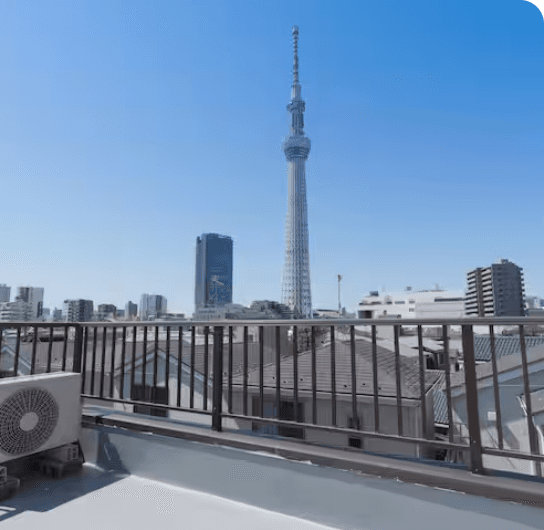
Stay Near Tokyo Skytree: My Sumida Ward Airbnb Experience
As the founder of HakubaHub, I've created the perfect Tokyo base for travelers exploring both the city and Japan's mountains. Here's why my Sumida ward Airbnb near Skytree is ideal for your Japan adventure.

Complete Guide to Hakuba Onsen Hot Springs: Where to Soak After Skiing
After a long day carving turns on Hakuba's legendary powder, nothing beats sinking into a natural hot spring. I'll walk you through every major onsen in the valley, from the rustic charm of Happo Onsen to the modern luxury of Mimizuku no Yu.
Getting Around Hakuba Without a Car: Your Complete Transport Guide
From shuttle buses to bike rentals, here's how to explore every corner of Hakuba Valley without needing your own wheels - including my hard-learned lessons about winter transport.

Hakuba Echoland Area Guide: Restaurants, Bars & Accommodation in the Village's Social Hub
Hakuba's Echoland area pulses with international energy year-round. From legendary après-ski spots to cozy cafes, this compact district serves as the village's unofficial social headquarters.

How to Get from Tokyo to Hakuba: Fastest, Cheapest Options (2024 Guide)
Getting from Tokyo to Hakuba doesn't have to be complicated. I'll walk you through four proven routes - from the lightning-fast Shinkansen connection to budget-friendly highway buses - so you can pick what works best for your trip.