
Getting Around Hakuba Without a Car: Your Complete Transport Guide
From shuttle buses to bike rentals, here's how to explore every corner of Hakuba Valley without needing your own wheels - including my hard-learned lessons about winter transport.
Getting around Hakuba without a car is not only possible, it's often the smartest way to experience this mountain valley. Between the extensive shuttle network, bike paths, and walkable village centers, I've found car-free travel here surprisingly liberating. The winter I got stuck trying to close on a property during a 50cm snowfall day taught me just how reliable Hakuba's transport really is - while my car sat buried, the shuttle buses kept running like clockwork.
- Free Hakuba Valley shuttle connects all major ski areas and hotels
- Village shuttles run every 15-30 minutes during peak seasons
- E-bike rentals available year-round from multiple locations
- Most accommodations within 10-minute walk of transport hubs
- JR Hakuba Station connects directly to Tokyo and Nagano
The Hakuba Valley Shuttle System
The backbone of getting around Hakuba without a car transport guide starts with understanding the valley's free shuttle network. This isn't just a tourist convenience - it's a genuine transportation lifeline that locals rely on daily.
The main Valley Shuttle runs from early December through late March, connecting Hakuba Station with all major ski areas: Happo-one, Hakuba 47, Goryu, Tsugaike, and beyond. Buses run approximately every 30 minutes during peak times, with earlier morning services for first tracks and later evening runs for après-ski activities.
Individual Resort Shuttles
Each major resort operates its own shuttle system. Happo-one's shuttle stops at most hotels in Wadano and Echoland areas. Goryu and Hakuba 47 share a shuttle route that serves the southern valley. I've used these countless times, and they're remarkably punctual - even in heavy snow.
Taxi Services and Costs
Taxis fill the gaps where shuttles can't reach. Base fares start around ¥730, with distance charges adding up quickly in this spread-out valley. A ride from Hakuba Station to Wadano typically costs ¥1,200-1,500, while reaching Tsugaike can hit ¥3,000-4,000.
| Route | Distance | Taxi Cost | Shuttle Available |
|---|---|---|---|
| Hakuba Station to Wadano | 3.5km | ¥1,200-1,500 | Yes (free) |
| Wadano to Happo-one Base | 2km | ¥800-1,000 | Yes (free) |
| Hakuba Station to Cortina | 12km | ¥3,500-4,500 | Limited |
| Echoland to Goryu | 8km | ¥2,200-2,800 | Yes (Valley Shuttle) |
For late-night returns or reaching remote onsen, taxis become essential. Most hotels can call one for you, though wait times can stretch to 30-45 minutes during busy periods.
Bike Rentals and Cycling Routes
Summer transforms Hakuba into a cyclist's paradise. E-bike rentals have exploded in popularity, making the valley's hills manageable for everyone. I discovered my favorite hidden onsen after a long day of property viewings - following a cycling path I never would have found in a car.
Rental Options and Pricing
Multiple shops in Wadano and near Hakuba Station offer rentals. Standard bikes start around ¥1,500 per day, while e-bikes run ¥3,000-4,000. Many accommodations partner with rental shops for guest discounts.
The dedicated cycling paths connect most villages, though some sections share roads with cars. The route from Wadano to Tsugaike via the rice fields is stunning but requires confident road cycling skills.
Walking Distances and Pedestrian-Friendly Areas
Hakuba's compact village centers make walking a viable option for many trips. Wadano's main strip stretches just 800 meters, easily walkable in 10 minutes. From central Wadano hotels, you can reach Happo-one's base on foot in 20-25 minutes via well-maintained paths.
Echoland is similarly compact, with most restaurants, convenience stores, and accommodations within a 5-minute walk of each other. The challenge comes with inter-village travel - Wadano to Echoland is a 40-minute walk along busy roads, not particularly pleasant or safe.
Winter Walking Considerations
Snow changes everything. Sidewalks become narrow channels between snow walls. What's a 10-minute summer walk can become 20 minutes in deep snow, especially if you're not used to the conditions. Proper winter boots with good traction aren't optional - they're survival gear.
Train Connections and JR Access
JR Hakuba Station anchors the valley's public transport network. Direct trains connect to Tokyo (3.5 hours) and Nagano (1 hour), making this a genuine getting around Hakuba without a car transport guide for visitors from major cities.

The Limited Express Azusa runs several times daily between Tokyo and Hakuba, while local trains connect through Matsumoto. From Nagano, the JR Oito Line provides regular service, though frequencies drop significantly outside ski season.
Seasonal Transport Differences
Transport rhythms shift dramatically between seasons. Winter brings maximum shuttle frequency, extended operating hours, and dedicated ski shuttle routes. My neighbor's reaction when I told them I was staying year-round helped me understand just how much the valley's transport DNA is tied to ski season.
Summer Services
Summer sees reduced shuttle frequencies but expanded cycling infrastructure. Many ski-focused shuttles disappear entirely, replaced by hiking trail shuttles and sightseeing routes. The trade-off works - longer daylight hours and pleasant walking weather compensate for less frequent transport.
Shoulder Season Challenges
May and November present the biggest transport challenges. Ski shuttles have stopped, but summer services haven't fully started. This is when having a car becomes most valuable, or when you need to plan activities around limited public transport schedules.
Car Rental: When It Makes Sense
Sometimes you need wheels. Major rental companies operate from Hakuba Station and larger hotels. Daily rates start around ¥5,000 for compact cars, plus insurance and fuel. Winter requires snow tires (usually included) and confidence driving in snow conditions.
Car rental makes sense for accessing remote onsen, extensive grocery shopping, or exploring beyond the main valley. For ski-focused visits staying in central areas, the cost and parking hassles usually aren't worth it.
Understanding your getting around Hakuba without a car transport guide options transforms how you experience this valley. Whether you're here for powder days, summer hiking, or exploring the local restaurant scene, the transport network opens doors that many visitors never discover. The key is matching your mobility needs to the season and embracing the slower pace that comes with car-free mountain life.
Frequently Asked Questions
Want more like this — but private?
Insider Hakuba notes I don't post publicly — market shifts, off-the-record picks, and behind-the-scenes finds. Free WhatsApp updates from Yurie.
Free · No spam · Leave any time
Related Articles

Hakuba Echoland Area Guide: Restaurants, Bars & Accommodation in the Village's Social Hub
Hakuba's Echoland area pulses with international energy year-round. From legendary après-ski spots to cozy cafes, this compact district serves as the village's unofficial social headquarters.

How to Get from Tokyo to Hakuba: Fastest, Cheapest Options (2024 Guide)
Getting from Tokyo to Hakuba doesn't have to be complicated. I'll walk you through four proven routes - from the lightning-fast Shinkansen connection to budget-friendly highway buses - so you can pick what works best for your trip.

Hakuba Happo-One Village Area Guide: Best Places to Stay Near the Gondola
Discover why Happo-One village is Hakuba's beating heart - from gondola-side lodges to hidden ramen shops and relaxing onsen. Your complete guide to staying in this ski paradise.

Complete Guide to Hakuba Onsen Hot Springs: Where to Soak After Skiing
After a long day carving turns on Hakuba's legendary powder, nothing beats sinking into a natural hot spring. I'll walk you through every major onsen in the valley, from the rustic charm of Happo Onsen to the modern luxury of Mimizuku no Yu.
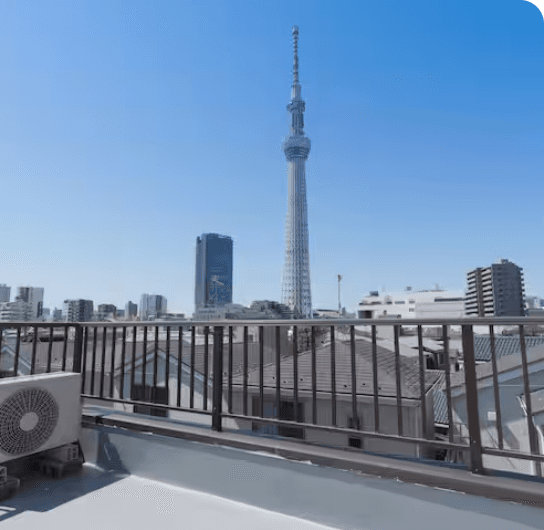
Stay Near Tokyo Skytree: My Sumida Ward Airbnb Experience
As the founder of HakubaHub, I've created the perfect Tokyo base for travelers exploring both the city and Japan's mountains. Here's why my Sumida ward Airbnb near Skytree is ideal for your Japan adventure.
Hakuba Japan Digital Nomad Remote Work Guide: Living & Working in the Japanese Alps
Picture answering Slack messages while snow falls outside your window and the Northern Alps fill your view. Here's what remote work life is really like in Hakuba.